Two shades, same fabric, same window — one looks built-in and the other looks tacked on. The difference is almost always the mount. Choosing between an inside mount and an outside mount affects light gaps, how much of your trim shows, how much depth you need and how the shade operates. This guide explains both so you know what to expect, and why precise measuring is the step that makes custom shades worth it.
Inside mount vs. outside mount, defined
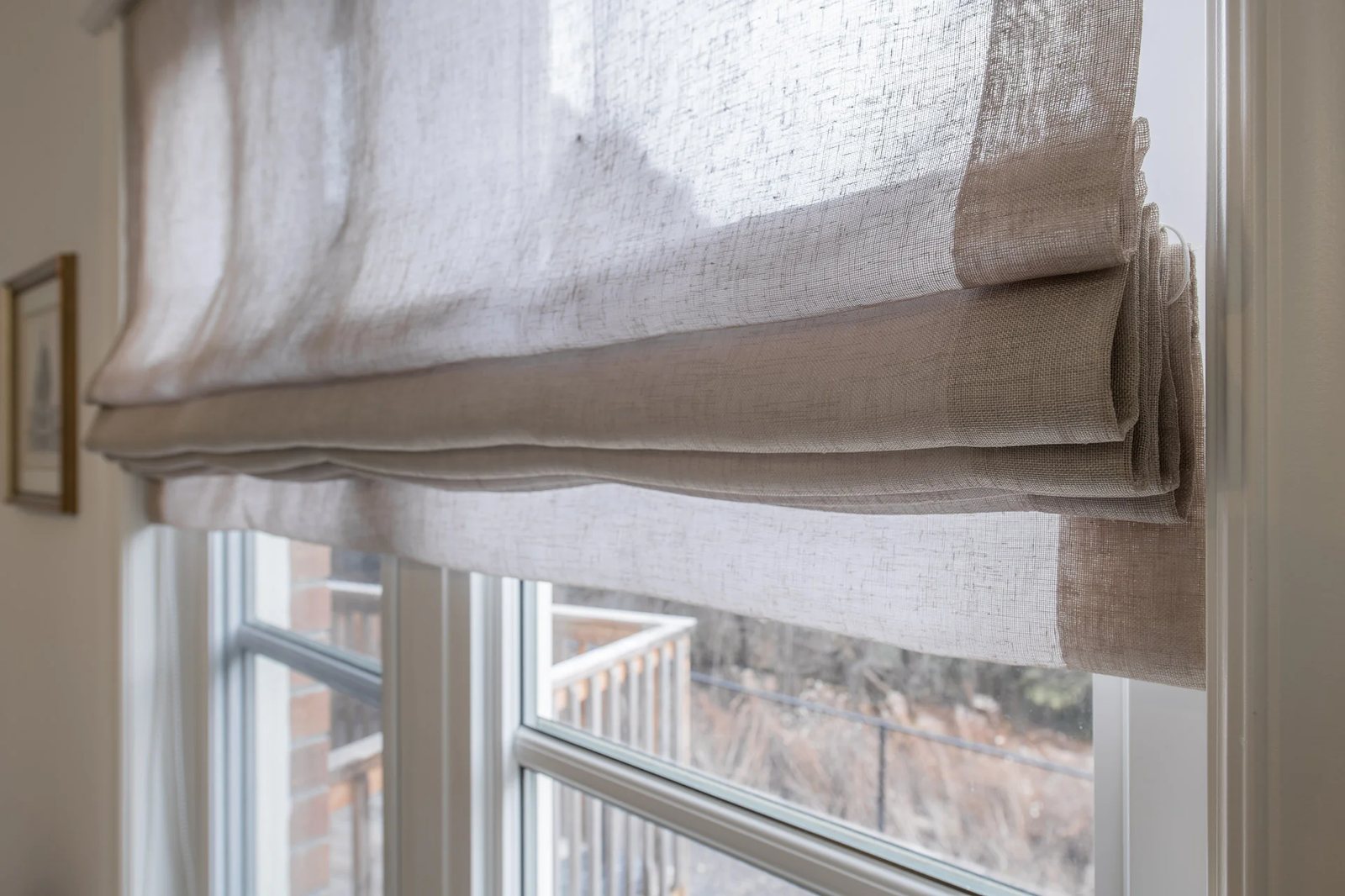
- Inside mount: the shade is installed inside the window frame, so it sits within the opening. Headrail and brackets are hidden, trim stays fully visible, and the look is clean and tailored.
- Outside mount: the shade is installed on the wall or trim above the window and overlaps the opening on all sides. It covers the frame, blocks more light and visually enlarges the window.
When inside mount is the right call
Inside mounts are the default for most homes because they look the most custom. They are the right choice when:
- Your window frame has enough flat depth for the product (see FAQs below) and no obstructions like cranks, handles or alarm sensors.
- You want to show off attractive trim or casing.
- You like a minimal look where the shade sits flush and nearly disappears when raised.
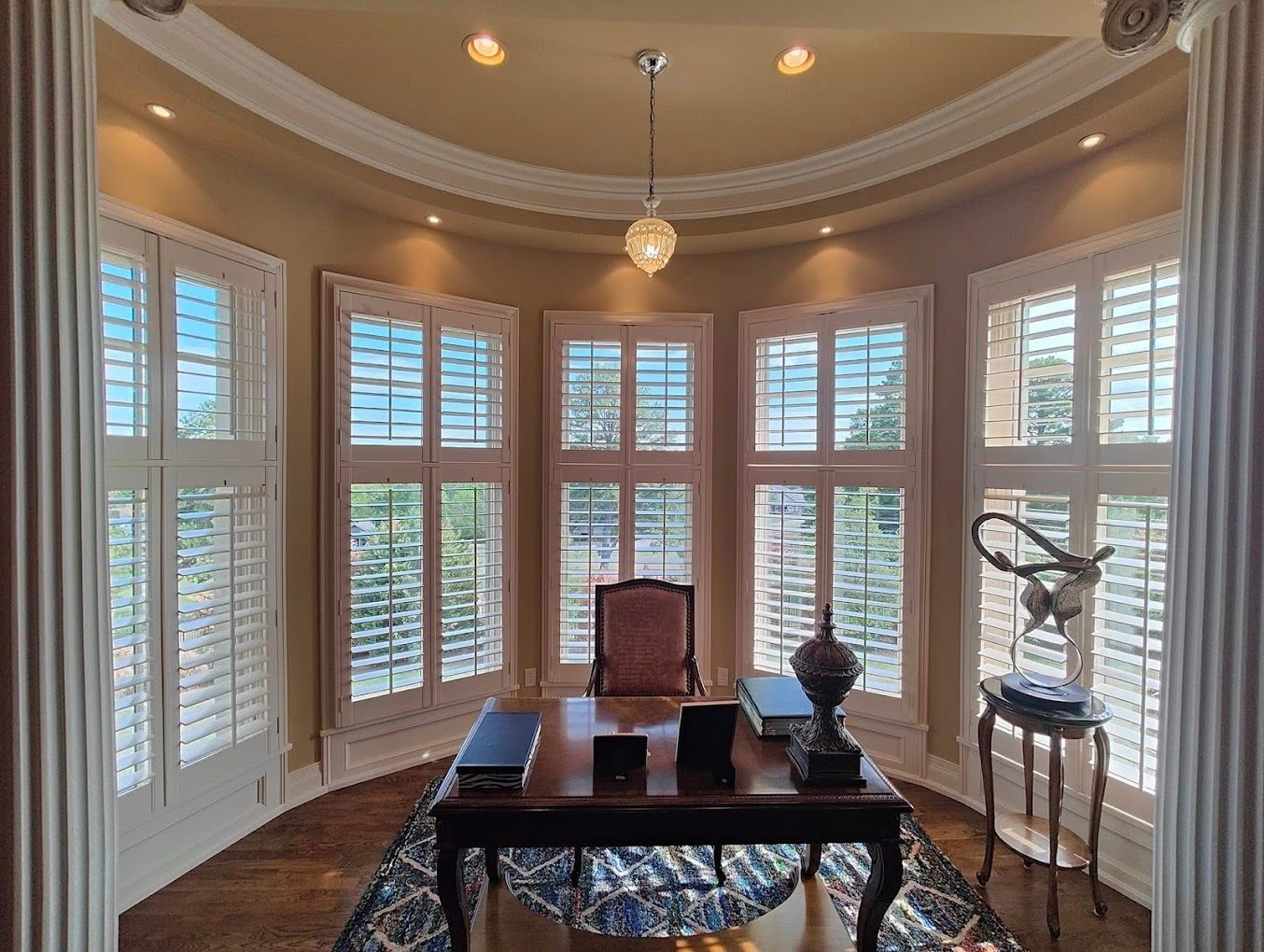
- You are installing plantation shutters, which almost always look best mounted inside a square, deep frame.
When outside mount is better
- Shallow frames. Many newer homes have 1 – 1½" window returns — not enough for a flush inside mount.
- Blackout rooms. Overlapping the opening by 2 – 3" per side blocks the light that slips past an inside-mounted shade. Add side channels for a near-total blackout.
- Out-of-square or damaged frames. An outside mount hides imperfections that an inside mount would highlight.
- Making windows look bigger. Mounting the headrail higher and wider creates the illusion of a taller, wider window — a decorator’s favorite trick.
- French doors and sliders. Hardware and handles usually force an outside mount.
About light gaps
Every inside-mounted shade has a small gap on each side — typically ¼" to ½" — because the fabric must clear the frame to operate. In a living room you will never notice. In a bedroom, a nursery or a media room, that sliver of morning light can be the difference between a good night and an early wake-up. The fixes are an outside mount, a blackout fabric with side channels, or layering drapery over the shade. We’ll tell you up front which rooms deserve the extra step.
Our team measures every window to the sixteenth of an inch, checks depth and obstructions, and recommends the right mount — free, with no obligation.
How professionals measure a window
Precise measuring is the heart of a custom fit. For an inside mount, we take the width at the top, middle and bottom of the opening and the height at the left, center and right — because very few windows are perfectly square — and build the shade to the tightest dimensions. We check mounting depth, look for obstructions, note which way the window operates and confirm how you want the shade to stack. For an outside mount we measure the opening and then add overlap for light control and the headrail, and check the wall surface for a secure install.
Common DIY measuring mistakes
- Measuring once. One width measurement assumes the frame is square. Most aren’t.
- Making your own deductions. Manufacturers deduct different amounts for different products; guessing leads to shades that bind or gap.
- Ignoring depth and obstructions. A crank handle or a shallow sill can stop an inside mount cold.
- Rounding. Custom means to the eighth or sixteenth of an inch, not the nearest half inch.
- Ordering before deciding on blackout. Light-gap expectations should drive mount type before anything is ordered.
When one team measures, orders and installs, there is no finger-pointing if something is off — the fit is our responsibility from start to finish. That is the whole reason we measure for free. Want to see what the right mount looks like on your windows? Call us and we’ll come take a look.
Frequently asked questions
It depends on the product. Roller shades need roughly 2 – 3 inches of flat depth for a flush fit; Roman and woven wood shades slightly more; plantation shutters typically need 3 inches or more for the louvers to clear. If your frame is shallower, an outside mount or a frame-mounted shutter is the answer — we check this during your free measure.
Yes, and it is common. A deep window may take an inside mount while a shallow one next to it takes an outside mount. Matching fabrics and valance styles keeps the room consistent.
Usually the shade mounts on the trim or wall above the window and overlaps the opening by a few inches on each side. Decorative trim can still peek out around the edges — we’ll talk through the look you want.
No. Measuring and quoting are free, and you are never obligated to buy. Because we’re the ones who measure and install, a perfect fit is on us — not you.
Ready for a free in-home measure and quote? One team handles everything from measure to install — and we beat any comparable written quote.