If you’ve ever lowered the thermostat and still felt the heat pouring off a west-facing window at 5 p.m., you already know: in Dallas–Fort Worth and Northwest Arkansas, window coverings aren’t just decoration. The right shade keeps rooms comfortable, protects floors and furniture from fading, and takes real load off your air conditioner. The wrong one just looks nice while the room bakes.
Why windows run so hot here
Glass lets short-wave solar energy straight through, where it turns into heat inside your home. West-facing windows take the brunt of it in late afternoon when outdoor temperatures peak; south-facing windows get it most of the day. Large sliders, two-story foyers and sunrooms multiply the effect. The goal of any heat-fighting window treatment is simple: stop as much sun as possible before it becomes heat inside — ideally at the glass, or even outside it.
Window treatments ranked for heat control
| Treatment | Heat & glare control | Keeps your view? | Notes |
|---|---|---|---|
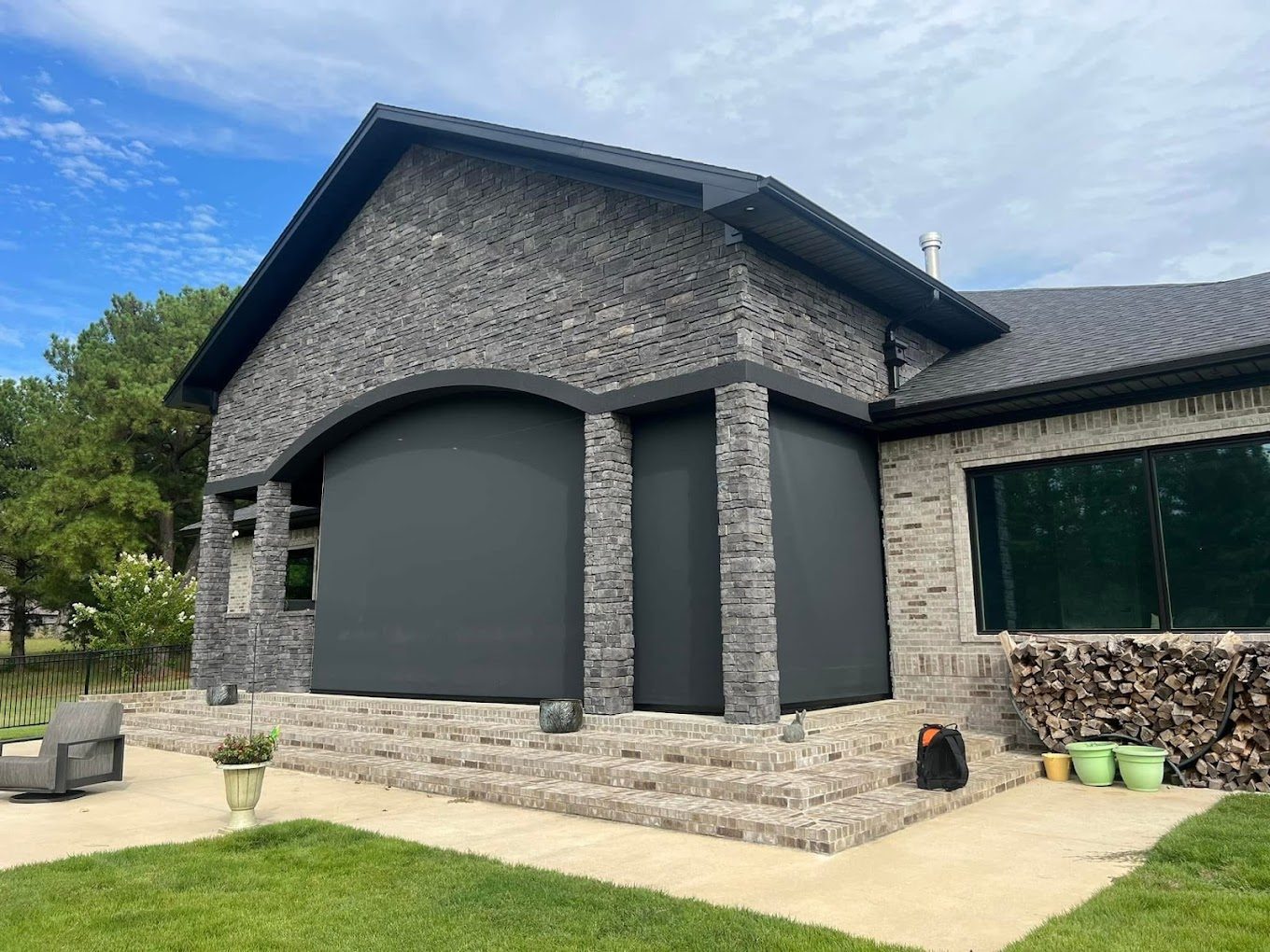
| Exterior patio / solar shades | Excellent — stops sun outside the glass | Yes | Best for patios, sunrooms and large west-facing glass |
| Solar roller shades | Excellent for interior shades | Yes | Choose openness factor to balance view vs. blocking |
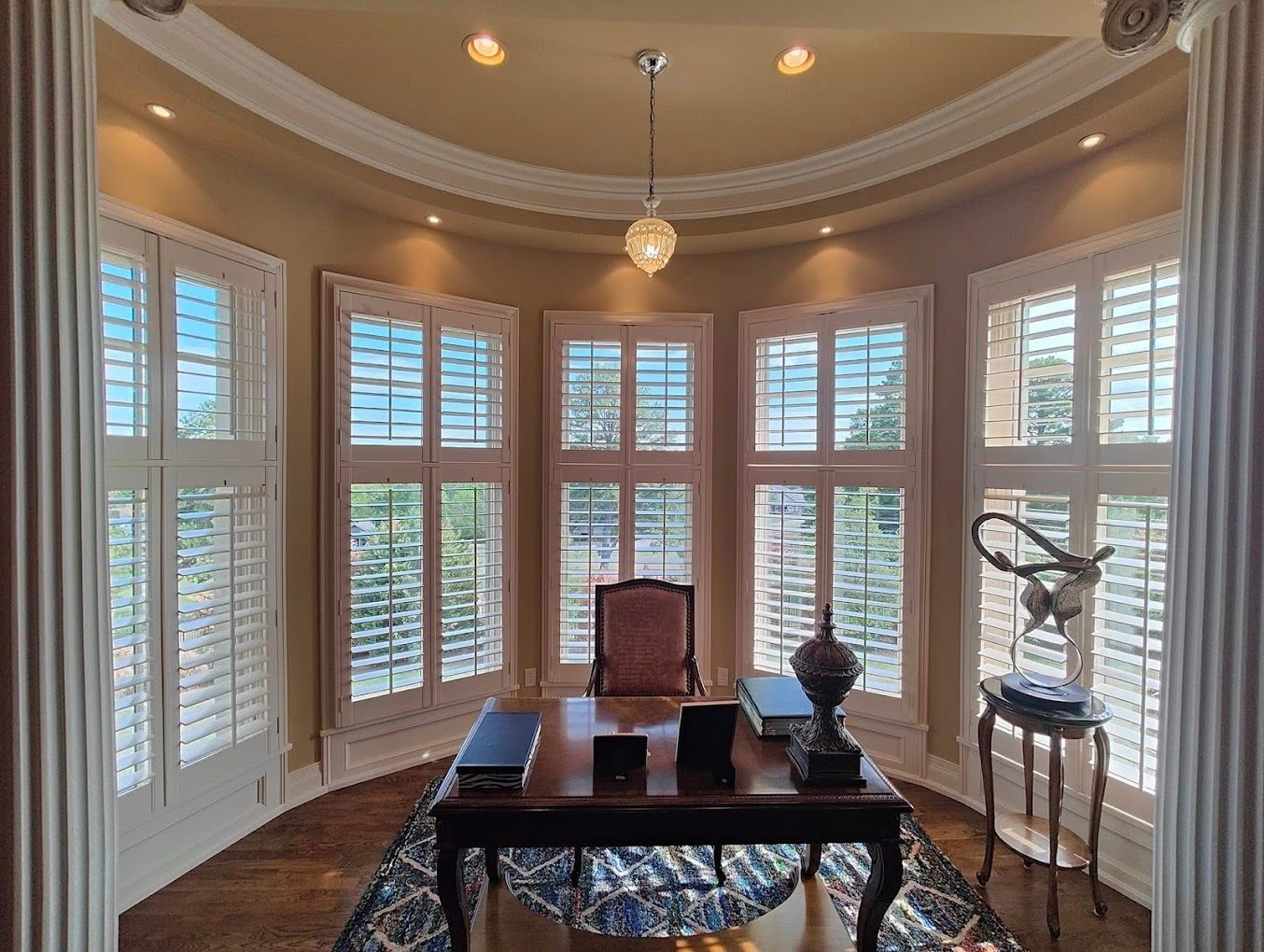
| Plantation shutters | Very good with louvers closed | Adjustable | Adds an insulating layer year-round |
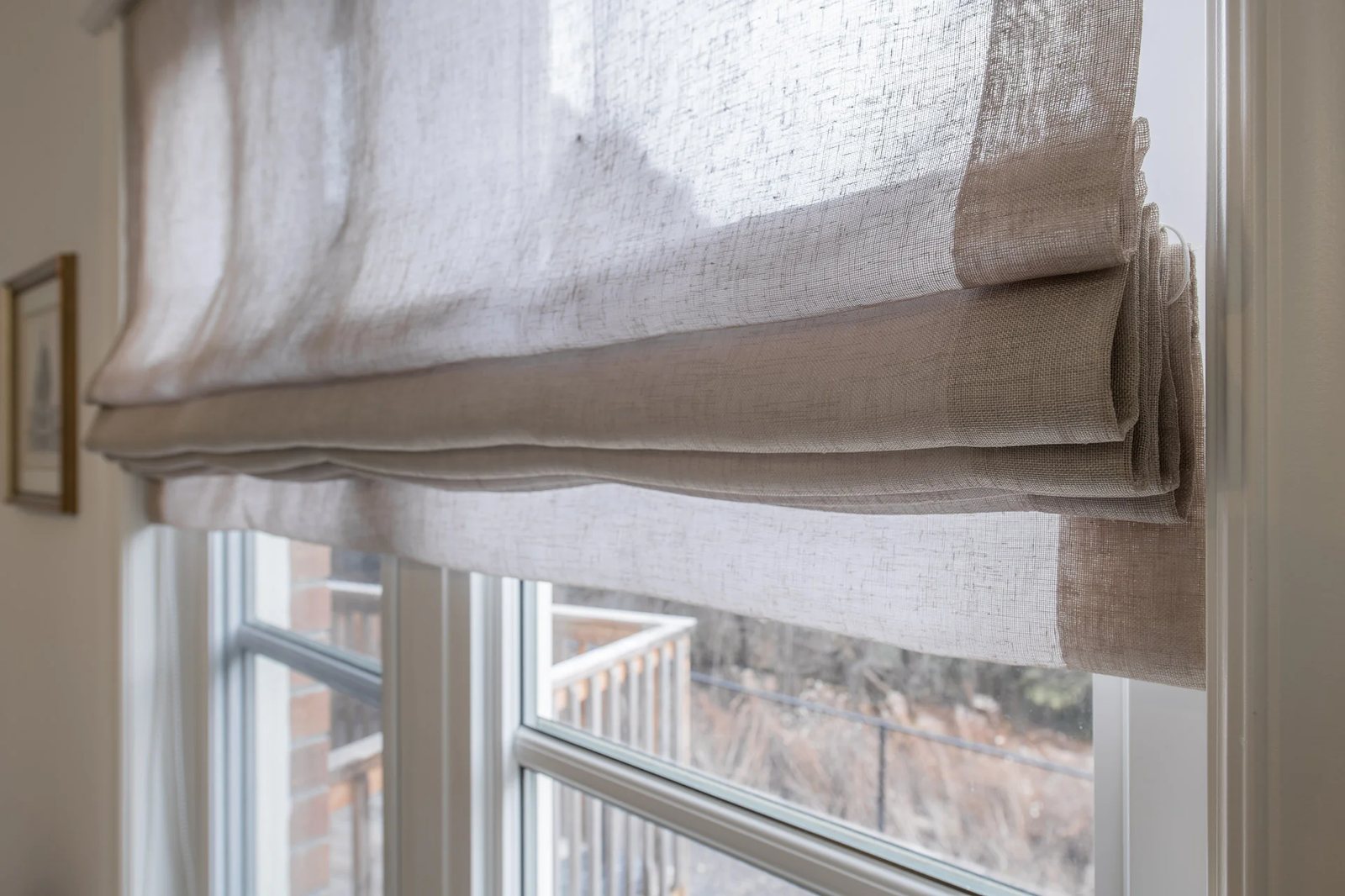
| Sheer shades | Good — diffuses glare, filters UV | Soft view-through | Beautiful daytime light control |
| Lined Roman shades | Good with a blackout or thermal liner | No (when lowered) | Great for bedrooms and media rooms |
| Woven wood shades | Moderate; good with a liner | Partial | Warm texture, add a liner for heat |
| Smart drapes | Good as an added layer over shades | No (when closed) | Automate to close at the hottest hours |
Understanding “openness factor” on solar shades
Solar-screen fabrics are rated by openness — the percentage of the weave that is open:
- 1% openness — maximum heat and glare blocking, best privacy, least view. Ideal for harsh west exposures and TV rooms.
- 3% openness — the sweet spot for most living rooms: strong heat reduction with a clear view out.
- 5% openness — more view and brightness, still cuts the harshest glare. Great for kitchens and offices.
- 10% openness — the most open view with light filtering; best where heat is a secondary concern.
Color matters too: darker fabrics give you a crisper view out and less glare; lighter fabrics reflect more heat and brighten the room. Our team brings samples so you can hold them up to your own glass at the time of day that bothers you most.
We’ll measure for free and bring solar, sheer and blackout samples so you can see the difference in your own light before you decide.
Room-by-room picks
- Living room with west-facing windows: 3% solar roller shades, or plantation shutters if you want a classic look you can angle against the sun.
- Kitchen: 5% solar roller shades or sheer shades — easy to clean, bright, glare-free.
- Bedrooms: room-darkening roller shades or lined Roman shades. Add side channels for a true blackout.
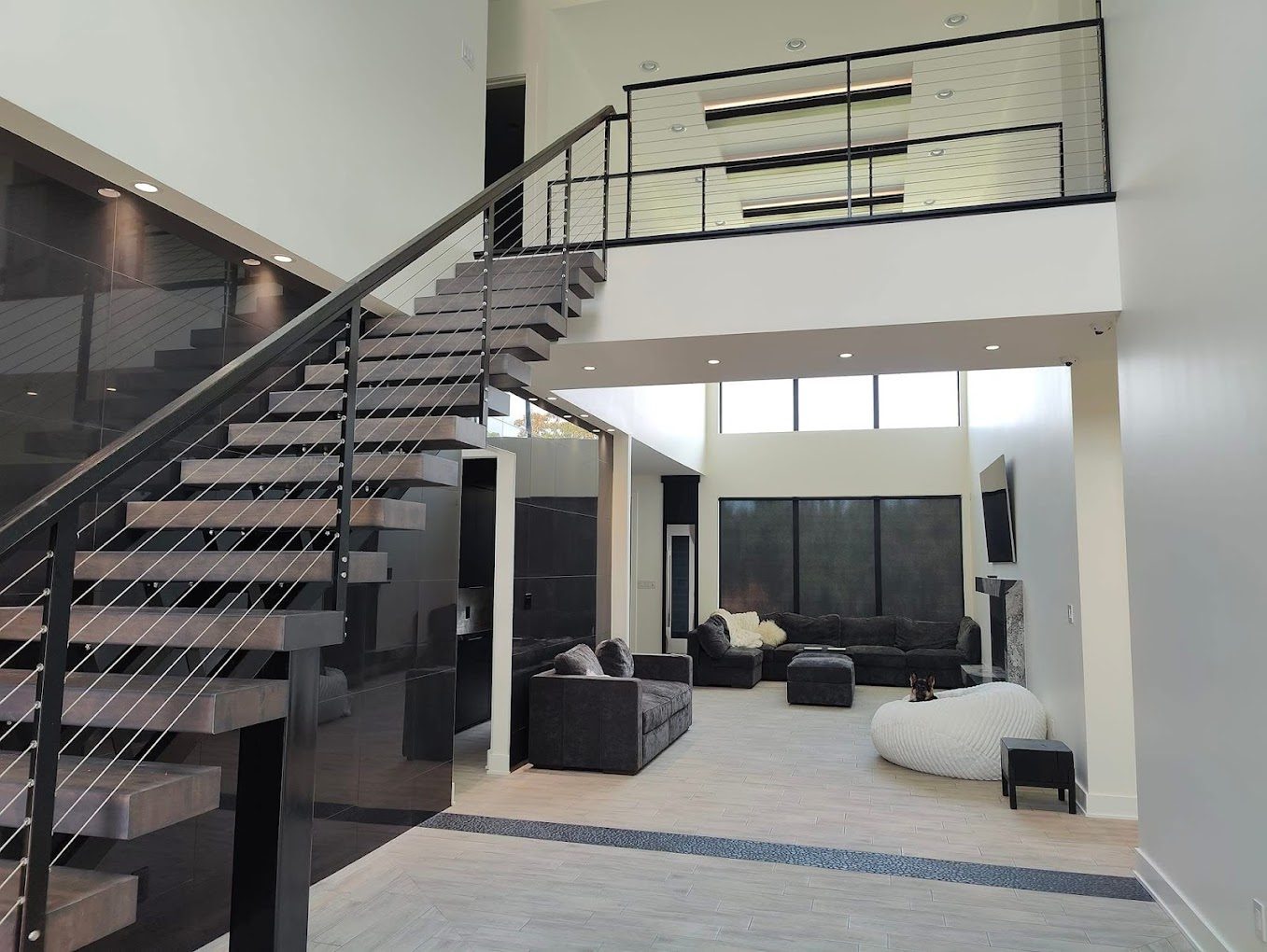
- Sunroom or two-story foyer: motorized solar shades inside, or exterior shades outside for the biggest impact.
- Covered patio: exterior patio shades — they block heat, glare and bugs, and turn the space into an outdoor room you’ll use all summer.
Automate the heat out of your afternoons
Motorized shades let you schedule the hard part. Set your west-facing shades to lower at 2 p.m. and rise at sunset, and you block the hottest hours every day without lifting a finger — even when you’re not home. Pair motorized roller shades or smart drapes with a simple schedule and the house is cooler when you walk in the door. Read more in our motorized shades guide.
The bottom line: in our climate, heat control pays for itself in comfort and cooling costs. Call us and we’ll help you pick the right fabric for each exposure — and you’ll get it at a price we guarantee to beat.
Frequently asked questions
No — that’s the point. Solar-screen fabrics are woven with tiny openings that let you see out while cutting glare and heat. A lower openness (1 – 3%) blocks more sun; a higher openness (5 – 10%) keeps more view. We’ll show you samples in your own windows.
Windows are one of the biggest sources of summer heat gain in a home. Blocking that sun at the window — especially on west- and south-facing glass — reduces the load on your air conditioner. Exterior shades are the most effective, followed by solar roller shades and closed shutters.
Yes. Solar roller shades and sheer shades both diffuse harsh sun into soft, even light while filtering out a large share of the heat and nearly all UV. You get a bright room without the glare.
Any shade that blocks UV helps. Solar screens, lined Roman shades, sheer shades and shutters all dramatically reduce the UV that fades hardwood, rugs and upholstery.
Ready for a free in-home measure and quote? One team handles everything from measure to install — and we beat any comparable written quote.