Roller shades and plantation shutters sit at opposite ends of the style spectrum — one sleek and minimal, the other architectural and classic — and they solve the same problems in different ways. The best choice usually comes down to the room, the exposure and your budget. Below is the honest comparison we walk through with homeowners in their living rooms every week.
The quick verdict
| Roller shades | Plantation shutters | |
|---|---|---|
| Look | Clean, modern, nearly invisible when raised | Timeless, architectural, built-in feel |
| Light control | Fabric choice sets it: sheer to blackout | Infinitely adjustable louvers |
| Privacy | Excellent with room-darkening or blackout fabric | Excellent — tilt louvers up for privacy with light |
| Heat and glare | Excellent with solar or blackout fabric | Very good with louvers closed; insulating |
| Durability | 10 – 15+ years with quality components | Decades; a permanent fixture |
| Motorization | Yes — simple and affordable | Possible on louvers, less common |
| Cost (installed) | $150 – $600 per window | $300 – $900 per window |
| Resale value | Neutral to positive | Strong — stays with the home |
Look and style
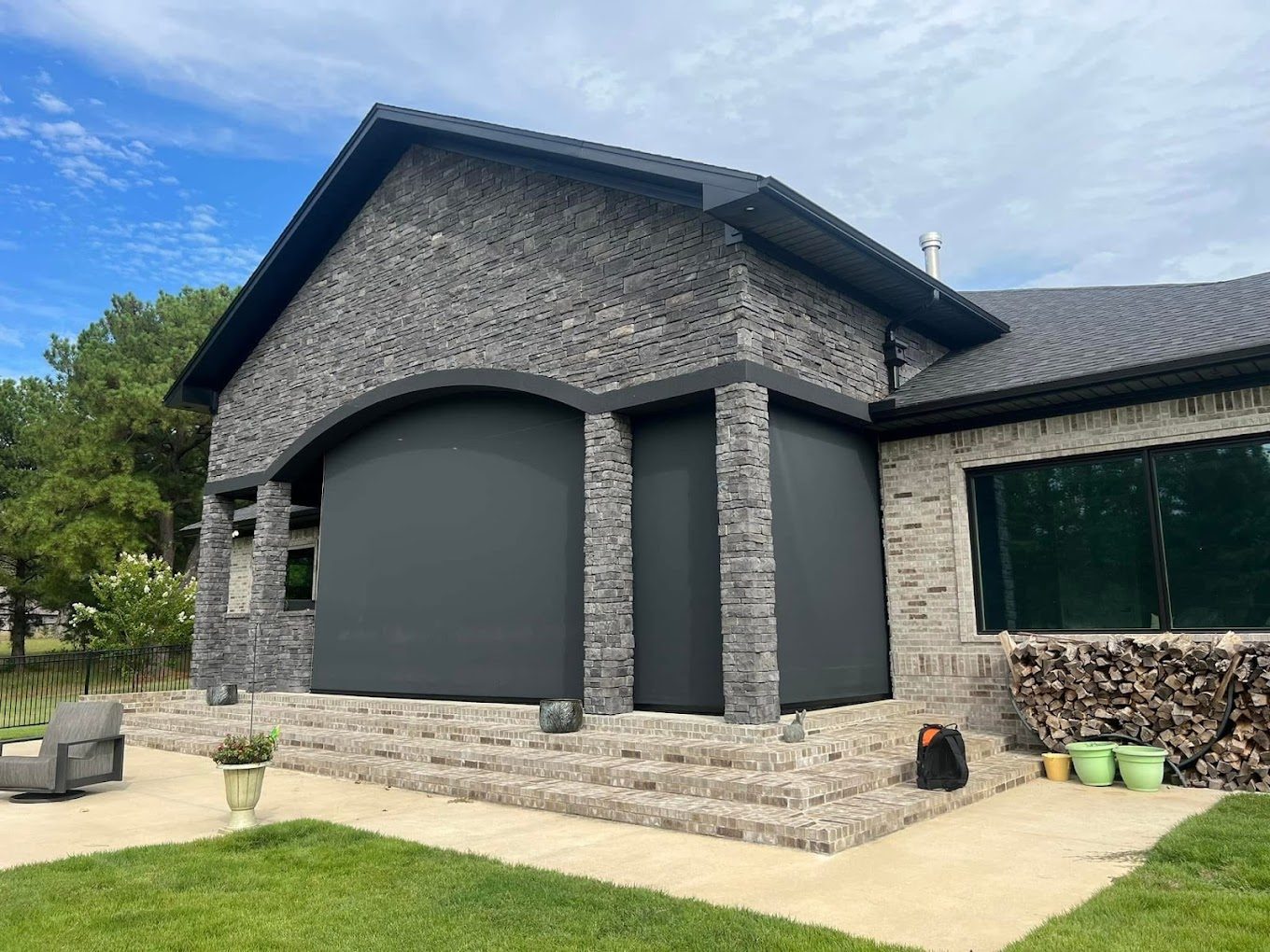
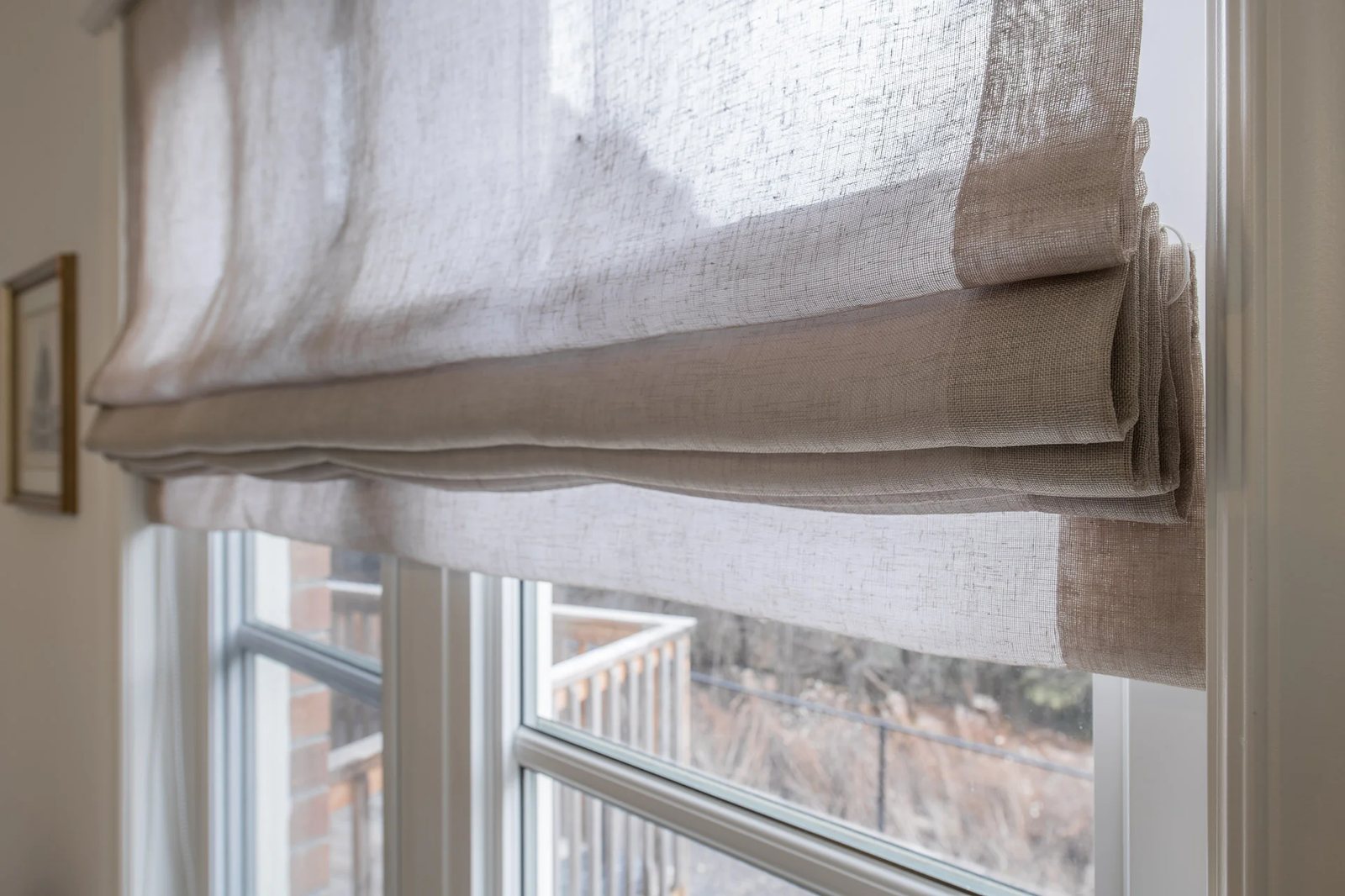
Roller shades disappear. Raised, they tuck into a slim cassette or fascia; lowered, they present one clean plane of fabric. They suit modern, transitional and minimalist homes and let your window trim, view and furnishings do the talking. Hundreds of fabrics — from crisp solids to woven textures and solar screens — mean they can read as architectural or soft.
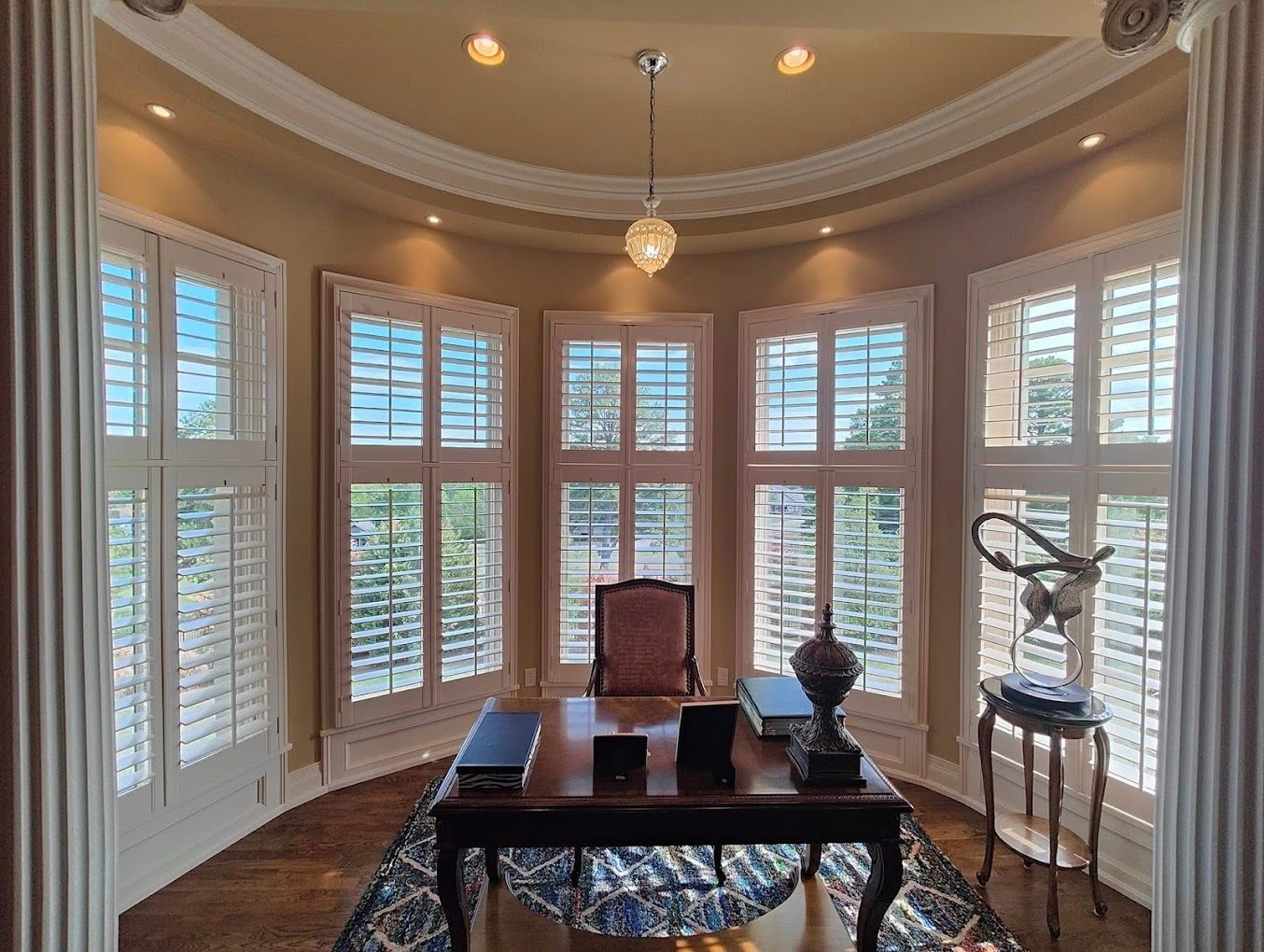
Plantation shutters are the opposite: they become the window. Wide louvers, painted or stained frames and a built-in look add character that reads as a permanent upgrade. They are especially at home in traditional, farmhouse, coastal and Texas-ranch styles, and on the front of the house where consistency from the street matters.
Light control and privacy
With roller shades, the fabric does the work. A light-filtering fabric glows softly; a solar screen keeps the view and cuts glare; a blackout fabric (paired with side channels) makes a bedroom truly dark. The trade-off: a roller shade is either up or down — there is no in-between for privacy and light at the same time unless you choose a sheer or dual-shade system.
Shutters win on adjustability. Tilt the louvers up and you get daylight and privacy at once; close them fully for darkness; open the panels entirely for an unobstructed view. For street-facing bedrooms and bathrooms, that flexibility is hard to beat.
Heat and energy
In our climate this matters. Solar roller shades are one of the most effective interior treatments for blocking heat and UV while keeping your view. Shutters add a solid, insulating layer at the window that helps in both summer and winter — and closed louvers block direct sun very well. For a detailed breakdown, see our guide to the best window treatments for Texas and Arkansas heat.
Durability and upkeep
Quality roller shades with metal tubes, sealed clutches and solution-dyed fabrics easily last a decade or more and are nearly maintenance-free. Shutters are a permanent fixture: a well-made, properly installed shutter will outlast most of the furniture in the room. Both clean with a quick dusting; neither traps allergens the way fabric drapery can.
We bring shutter samples and roller fabrics to your home so you can see both in your own windows — and quote each on the spot, free.
Cost and resale value
Roller shades are the most affordable custom option, typically $150 – $600 per window installed. Plantation shutters run higher, usually $300 – $900 per window installed, because they are built from solid components and fitted to the window with a frame. Shutters, however, are generally treated as a permanent part of the home — one of the few window treatments that buyers notice and appraisers may credit. Shades are usually considered personal property. If you plan to sell in the next few years, shutters on the front elevation can be a smart investment. See our full custom shade pricing guide for more.
Why most homes use both
The most common solution we install isn’t one or the other — it’s both. Shutters on the front-facing windows for curb appeal and consistency from the street; roller shades in bedrooms, living areas and on sliders for easy light control, blackout where it matters, and motorization on the hard-to-reach windows. Matching frame colors to trim and fabric tones to walls keeps the two feeling like one cohesive design.
Whichever way you lean, we’ll give you a straight recommendation for each room, a free in-home measure, and pricing we guarantee to beat.
Frequently asked questions
Shutters are generally considered a permanent fixture and are one of the few window treatments buyers and appraisers notice. They convey quality and typically stay with the home, which makes them an easy value-add at resale.
Yes. Choose a blackout fabric and add side channels or an outside mount to eliminate light gaps. Blackout roller shades are our most popular choice for bedrooms and media rooms.
Roller shades (or a vertical-style alternative like smart drapes) are usually the better fit for wide sliders because they stack compactly and operate with one motion. Bypass or bi-fold shutters are possible but add cost and bulk.
Both are low-maintenance. Shutters dust easily with a cloth; roller shades can be vacuumed with a brush attachment or wiped. Neither needs the fuss of fabric drapery.
Ready for a free in-home measure and quote? One team handles everything from measure to install — and we beat any comparable written quote.